Kunle Adesiyan
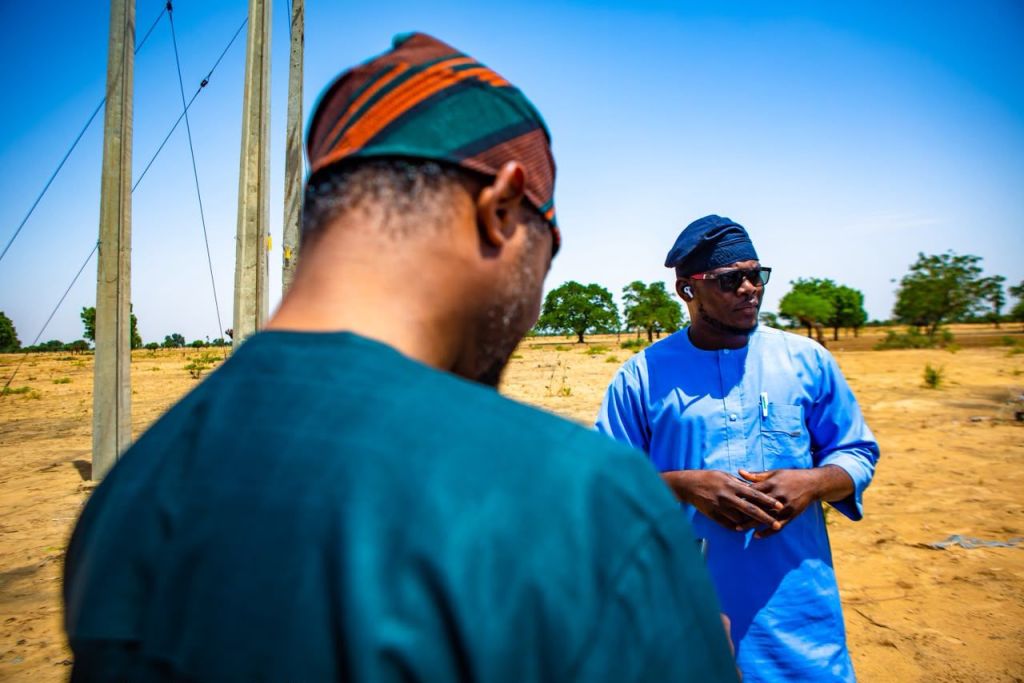
Beyond the headlines, Northern Nigeria remains one of Nigeria’s greatest untapped economic frontiers. My recent official visit to Kano and Jigawa States reinforced that conviction in ways that statistics alone never could. Travelling across both states, I witnessed vast expanses of arable land, vibrant formal and informal commercial ecosystems, resilient entrepreneurs, and a youthful population eager to contribute to national development. These are not merely geographical advantages; they are strategic assets capable of driving Nigeria’s economic transformation if supported by deliberate investment, stronger institutions, and long-term policy consistency. If Nigeria is serious about achieving a one-trillion-dollar economy by 2030, then the North’s untapped potential must occupy a central place in that national conversation.
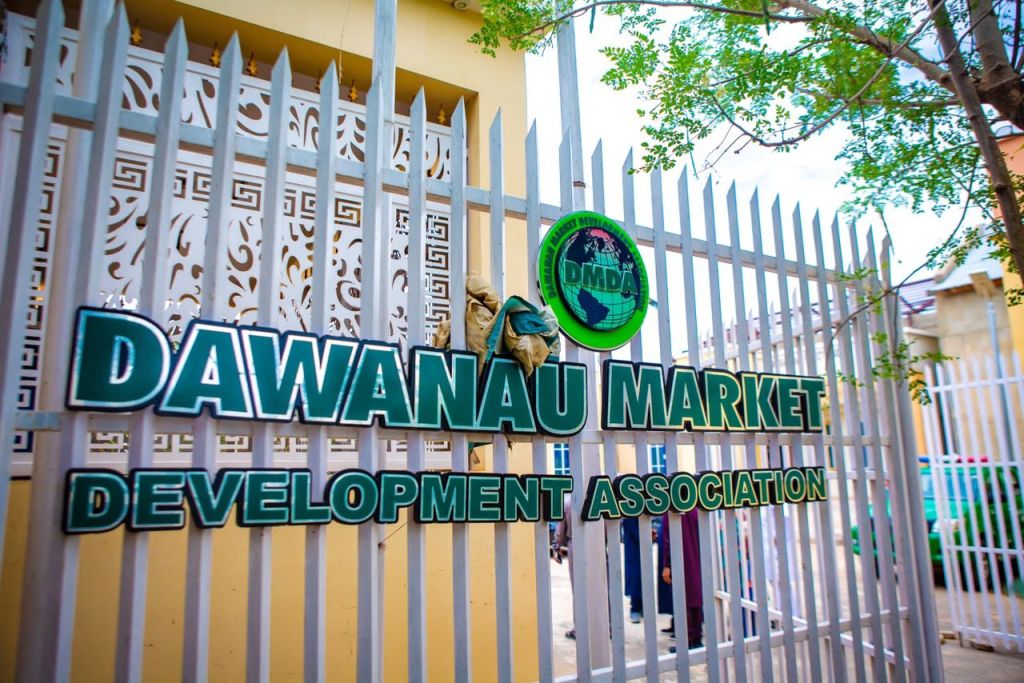
One of the most encouraging aspects of our engagement in Kano was the emphasis on transforming existing commercial strength into structured economic value. Our discussions centred on formalizing trade within the state’s major commodity markets, beginning with the renowned Dawanau International Grains Market, one of Africa’s largest agricultural trading hubs. While the market already facilitates enormous volumes of commerce through both formal and informal trading networks, integrating it into the Nigerian Commodity Exchange (NCX) ecosystem presents an opportunity to unlock even greater value. A well-structured commodity ecosystem will promote transparency, strengthen price discovery, improve access to finance, and guarantee fairness for every participant in the value chain — from farmers and aggregators to processors, traders, and exporters. More importantly, formalizing informal commodity trade ensures that economic activities already taking place are properly captured in Nigeria’s GDP while creating greater prosperity for those whose livelihoods depend on agriculture.
Similarly, my visit to Jigawa State further demonstrated how strategic partnerships, stronger institutions, and shared prosperity are inseparable pillars of sustainable development. During the Jigawa Economic and Investment Summit (J-INVEST), I witnessed the signing of a landmark tripartite MoU between the State Government, NCX, and REA. This collaboration reflects a deliberate commitment to building the infrastructure required for long-term economic growth. Reliable electricity, structured commodity markets, modern storage facilities, and coordinated public-sector collaboration provide the enabling environment in which industries, agribusinesses, and local enterprises can flourish. These are not isolated projects; they are intentional building blocks designed to strengthen agricultural value chains, encourage private investment, and move Nigeria closer to its economic aspirations.
To bring this into sharp relief, in 2025, new cold-chain systems and integrated infrastructure networks make it possible for agricultural produce harvested in a village in Rwanda to reach markets in Dubai within just 48 hours. Yet, in that same year, a farmer in Jigawa, Kano, or Kaduna can still lose an entire harvest before it even leaves the village because of the absence of modern warehousing, efficient logistics, transportation, and distribution infrastructure. This contrast should concern every policymaker. It underscores the urgent need for subnational governments to confront these structural challenges head-on, working in unity of purpose with the Federal Government. By investing in logistics corridors, storage infrastructure, commodity exchanges, renewable energy, digital platforms, and agro-processing hubs, Northern Nigeria can be strategically positioned as both a physical and digital gateway for trade across Africa while unlocking the full potential of Nigeria’s non-oil exports.
My experience in both states reaffirmed a simple but powerful truth: the North does not seek sympathy; it deserves strategic investment. With its comparative advantages in agriculture, livestock, agro-processing, renewable energy, commerce, and logistics, Northern Nigeria possesses every ingredient required to drive Nigeria’s economic diversification. What I witnessed in Kano and Jigawa was not merely ambition but purposeful action — evidence that governments, institutions, and development partners are working together to transform potential into prosperity. Yet, realising this vision requires confronting longstanding challenges such as insecurity, youth unemployment, educational deficits, inadequate infrastructure, climate pressures, and weak market connectivity. Addressing these issues demands more than policy declarations; it requires sustained investment in education and technical skills, modern agriculture, irrigation, transportation networks, digital connectivity, intelligence-led security, expanded access to finance, and value-added agro-industrial clusters. Development and security must advance together because communities with economic opportunities are more resilient, more stable, and better positioned to achieve lasting peace.
As I concluded my engagements, I departed with renewed optimism about the future of Northern Nigeria and, indeed, our nation. I deeply appreciate the leadership of the NCX, our partners, and every stakeholder committed to building institutions that will outlast political cycles. I am equally grateful for the exceptional hospitality extended throughout my visit, a reflection of the warmth, dignity, and rich cultural heritage of Northern Nigeria. From what I witnessed firsthand, I am more convinced than ever that Northern Nigeria is not merely part of Nigeria’s economic future — it is indispensable to it. If we are determined to build a one-trillion-dollar economy by 2030, then our investments must match our ambitions. The road to that future runs through a Northern Nigeria that is connected and fully integrated into regional and global value chains.


Leave a Reply