By The Asudemade Perspective
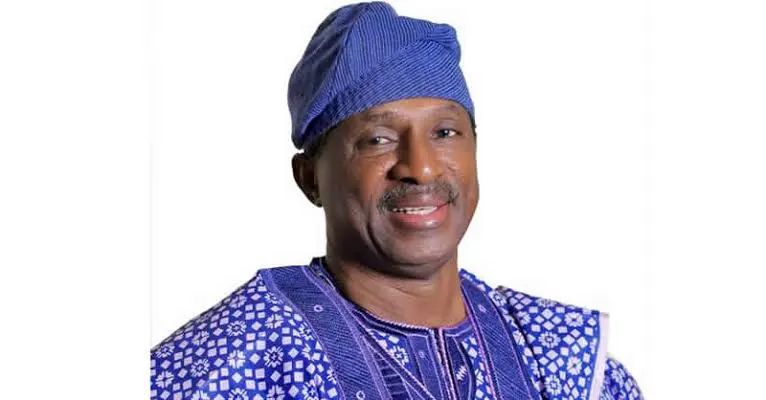
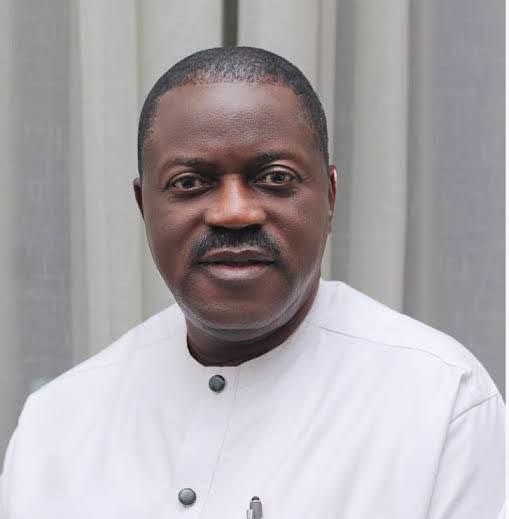
The decision of the All Progressives Congress (APC) in Oyo State to constitute a Reconciliation Committee under the joint leadership of Senator Olufemi Lanlehin and Professor Taoheed Adedoja is both timely and necessary. It is an acknowledgment that all is not well within the party following the contentious direct primaries that produced Senator Sharafadeen Alli as the governorship candidate and other candidates for the Senate, House of Representatives and the Oyo State House of Assembly.
For weeks after the primaries, aggrieved aspirants, party leaders and thousands of supporters alleged that the results eventually announced did not reflect the actual votes cast. They accused those entrusted with managing the process of manipulating the outcome to favour preferred candidates while denying genuine winners their mandates.
Rather than confronting these allegations with transparency and courage, the party leadership remained largely silent. It is only now, after anger has spread across the state’s political landscape, that a reconciliation committee has emerged.
While reconciliation is commendable, one fundamental question cannot be ignored:
Is this committee being constituted merely to help APC win the 2027 general election, or is it genuinely intended to correct the culture of exclusion, injustice and winner-takes-all politics that has haunted the party for years?
That question deserves an honest answer because Oyo APC has travelled this road twice before.
In 2018, following the controversial emergence of Chief Adebayo Adelabu as governorship candidate, reconciliation meetings were held. Yet, the divisions remained, and the party lost the governorship election.
Again, after the disputed 2022 indirect governorship primary that produced Senator Teslim Folarin, another round of reconciliation followed. Members were urged to forgive, unite and work for victory. They did. But what happened after the election?
Many of those who laboured day and night for the party felt abandoned. Recognition was reserved for a privileged circle, while genuine grassroots mobilisers were left watching from the sidelines. The party not only lost the election but also lost the confidence of many of its most committed faithful, paving the way for Governor Seyi Makinde’s historic second-term victory.
Now, in 2026, history appears determined to repeat itself. The direct primary system was expected to strengthen internal democracy by allowing ordinary members to decide who would fly the party’s flag. Instead, many members believe that the process was compromised through alleged manipulation of the final results. If these grievances are swept under the carpet in the name of unity, reconciliation will merely postpone another crisis rather than resolve it.
The APC must recognise a political truth that many parties ignore until it is too late. People do not leave political parties merely because they lose primaries. They leave because they lose hope. Members can accept defeat in a transparent contest. What they struggle to accept is the belief that loyalty, hard work and the votes of ordinary members count for nothing once powerful interests have made up their minds.
This is why the Lanlehin-Adedoja Committee must avoid becoming another ceremonial body whose sole assignment is persuading wounded members to return to campaign activities. Its mission must be much bigger. The committee must insist that reconciliation is incomplete without justice. It must remind the leadership that party members are not disposable tools to be remembered during campaigns and forgotten immediately after elections. Political loyalty is sustained not by slogans but by fairness. Sacrifice must attract recognition. Commitment must open doors to opportunity. Hard work must never become a liability.
The committee should therefore recommend fundamental reforms capable of restoring confidence in the APC.
First, the party must institutionalise transparent and verifiable primary election procedures whose outcomes cannot be altered by vested interests after voting has ended.
Second, reconciliation must include a binding commitment that appointments, nominations and political opportunities after electoral victory will reflect every tendency within the party rather than rewarding only one political bloc.
Third, the party must deliberately create leadership opportunities for young members. Oyo APC cannot continue to celebrate youths as campaign footsoldiers while excluding them from decision-making and governance.
Fourth, women, professionals and grassroots organisers who have consistently sustained the party deserve meaningful inclusion in both party administration and government appointments.
Fifth, where politically necessary, the leadership should willingly concede strategic elective and appointive positions to marginalised blocs as a demonstration that reconciliation comes with genuine sacrifice. Lasting peace is often built on concessions, not merely conversations.
Sixth, the party should establish a standing Internal Conflict Resolution and Party Ethics Council to resolve disputes before they degenerate into full-blown crises. Preventing conflict is always less costly than managing it.
Finally, the committee must encourage the leadership to communicate honestly with members. Silence creates suspicion. Transparency rebuilds confidence. The challenge before Senator Lanlehin and Professor Taoheed Adedoja is therefore bigger than preparing the APC for another election. They have been handed an opportunity to redefine the culture of the party itself.
Winning elections is important.
But elections are only the destination.
Justice, inclusion, internal democracy and equitable reward are the vehicle that takes every political party there. If this committee limits its assignment to persuading aggrieved members to sheath their swords until after the 2027 elections, Oyo APC may once again celebrate temporary peace while nurturing permanent resentment. Such reconciliation would amount to postponing another defeat rather than preventing one.
The party must understand that members are no longer asking merely to be consulted; they are demanding to be respected. The era when a few individuals decide everything while the majority are expected to applaud is gradually coming to an end. The APC still has time to change its story. But that change must begin with one simple principle: Justice before unity, inclusion before victory, and reward before another call for sacrifice.
Only then can reconciliation become more than a political ritual. Only then can Oyo APC genuinely convince its members that the party belongs to all, not just to a powerful few.


Leave a Reply