THE ASUDEMADE PERSPECTIVE EDITORIAL ON SUNDAY
One of the most persistent arguments in Nigeria’s public discourse is that because the country is a major crude oil producer, petrol and other petroleum products should be significantly cheaper for Nigerians. While this sentiment is emotionally appealing, it overlooks the economic realities governing the global oil industry. The truth is that the mere possession of crude oil resources does not automatically translate into cheap fuel for citizens.
A closer examination of the experiences of the United States and major oil-producing countries in the Middle East reveals why Nigeria cannot sustainably sell petroleum products far below prevailing market prices without creating serious economic distortions.
The United States is the world’s largest producer of crude oil, consistently pumping more than 13 million barrels per day. Yet Americans do not receive petrol at giveaway prices simply because their country produces vast quantities of crude oil. Gas is about $5 per gallon in US as we speak. Fuel prices in the United States are largely determined by international crude prices, refining costs, transportation expenses, taxes, and market competition. When global oil prices rise, Americans pay more at the pump despite their country’s enormous production capacity. The American government does not compel producers to sell crude at unrealistic discounts solely because it is extracted within U.S. territory.
The principle is straightforward: crude oil is a globally traded commodity. Whether extracted in Texas, Alaska, Saudi Arabia, or the Niger Delta, its value is determined by international markets. If Nigerian crude sells at international prices abroad, compelling producers to sell the same crude significantly below market value domestically would amount to an indirect subsidy, the cost of which must ultimately be borne by someone— either the government, the oil companies, or taxpayers.
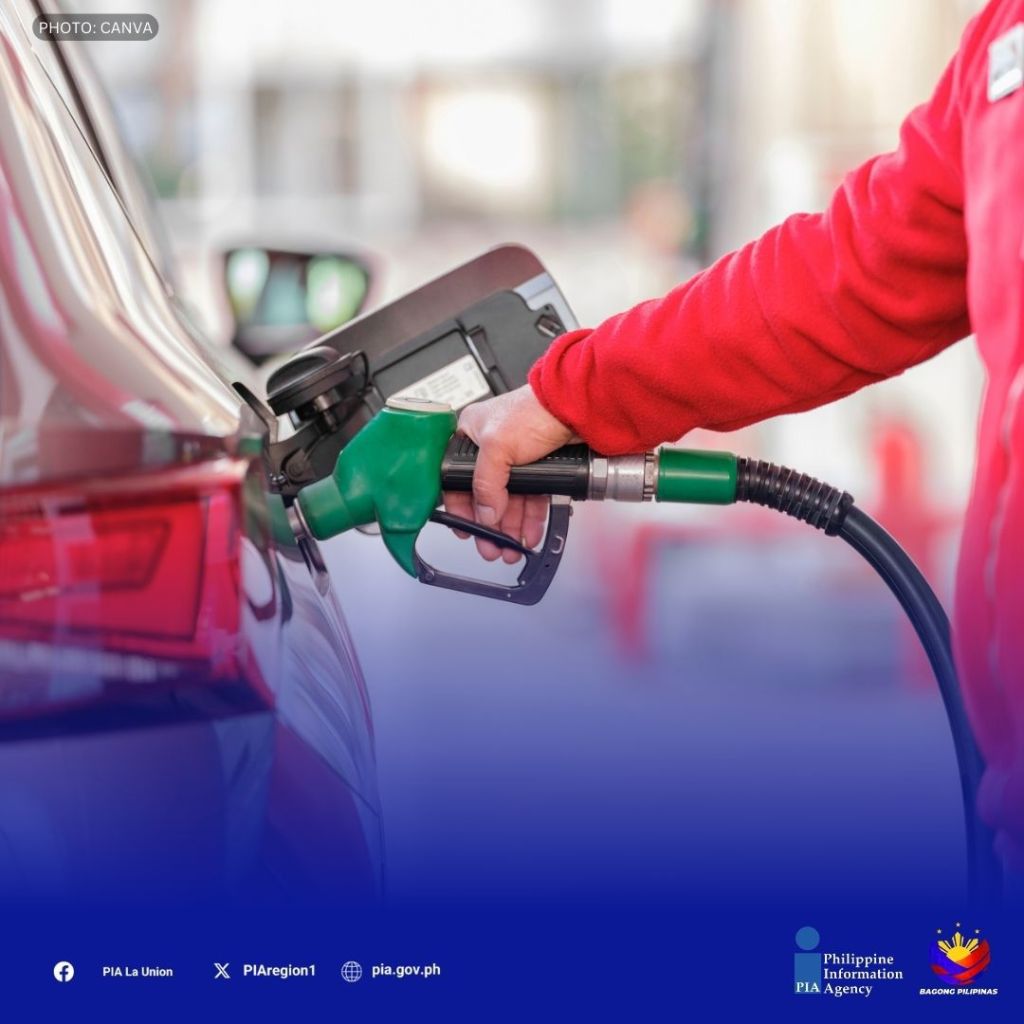
The examples of Saudi Arabia and the United Arab Emirates are equally instructive. These countries are among the world’s leading oil producers and have historically maintained lower domestic fuel prices than many nations. However, such pricing has never been because oil magically becomes cheaper within their borders. Rather, governments consciously absorb substantial costs through subsidies funded by massive oil revenues, sovereign wealth funds, and relatively smaller populations.
Even these wealthy Gulf states have gradually moved away from extensive fuel subsidies. Saudi Arabia implemented major fuel price reforms beginning in 2016, while the UAE liberalized fuel prices years earlier. Their leaders recognized that artificially cheap fuel encourages waste, distorts markets, burdens public finances, and diverts resources from critical investments in infrastructure, education, healthcare, and economic diversification.
Nigeria’s circumstances are fundamentally different. With a population exceeding 230 million people, widespread infrastructure deficits, and competing development priorities, sustaining large-scale fuel subsidies places enormous pressure on public finances. The country learned this lesson the hard way. Trillions of naira were spent on fuel subsidies over the years, yet the expected benefits rarely reached the poorest citizens. Instead, the subsidy regime became associated with smuggling, corruption, inefficiency, and significant fiscal leakages.
Furthermore, Nigeria’s refining challenges have historically compounded the problem. For decades, the country exported crude oil and imported refined petroleum products, thereby paying not only for crude but also for refining, shipping, insurance, and distribution. Although the emergence of domestic refining capacity offers opportunities to reduce logistics costs and improve supply stability, it does not eliminate the fundamental reality that crude oil itself carries an international market value.
Many Nigerians understandably ask: if crude oil belongs to the nation, why should citizens pay international prices? The answer lies in economic opportunity cost. Every barrel sold domestically at a deep discount represents revenue forgone that could otherwise support government spending, stabilize the currency, or fund public services. Selling crude below market value is effectively a subsidy, whether acknowledged or not.
This does not mean Nigerians should derive no special benefit from their country’s natural resources. Rather, the benefits should come through efficient governance, investments in infrastructure, reliable electricity, quality education, modern healthcare, job creation, and targeted social support for vulnerable citizens. These forms of economic empowerment are more sustainable than artificially suppressing fuel prices. Or is it economic and socially beneficial for Nigerians to gain cheap fuel and lose infrastructure?
The debate, therefore, should not focus on making petroleum products unnaturally cheap. Instead, it should center on how Nigeria can maximize the value of its oil resources, strengthen domestic refining, improve transparency in the petroleum sector, and ensure that oil wealth translates into tangible improvements in the lives of ordinary citizens.
“The tragedy of Nigeria is not that petroleum products are expensive. The tragedy is that decades of oil wealth have not translated into world-class infrastructure, quality education, reliable healthcare, energy security, and broad-based prosperity. Until that changes, the argument over cheap fuel will remain a symptom of a much deeper national challenge.”
The lesson from America, Saudi Arabia, and the United Arab Emirates is clear: oil-producing nations do not become prosperous by selling fuel below economic value. They prosper by managing their resources efficiently, investing wisely, and creating systems that convert natural wealth into national development.
Nigeria’s challenge is not the price of oil. It is the effective management of the wealth that oil generates.


Leave a Reply