– Kamar Abioye
South Africa occupies a unique place in Africa’s history. For decades, the continent stood firmly behind its struggle against apartheid. African nations provided diplomatic support, shelter to exiles, financial assistance and moral solidarity when the apartheid regime sought to isolate the country’s liberation movements. Nigeria, in particular, invested heavily in the anti-apartheid cause, contributing resources and championing South Africa’s freedom on the global stage.
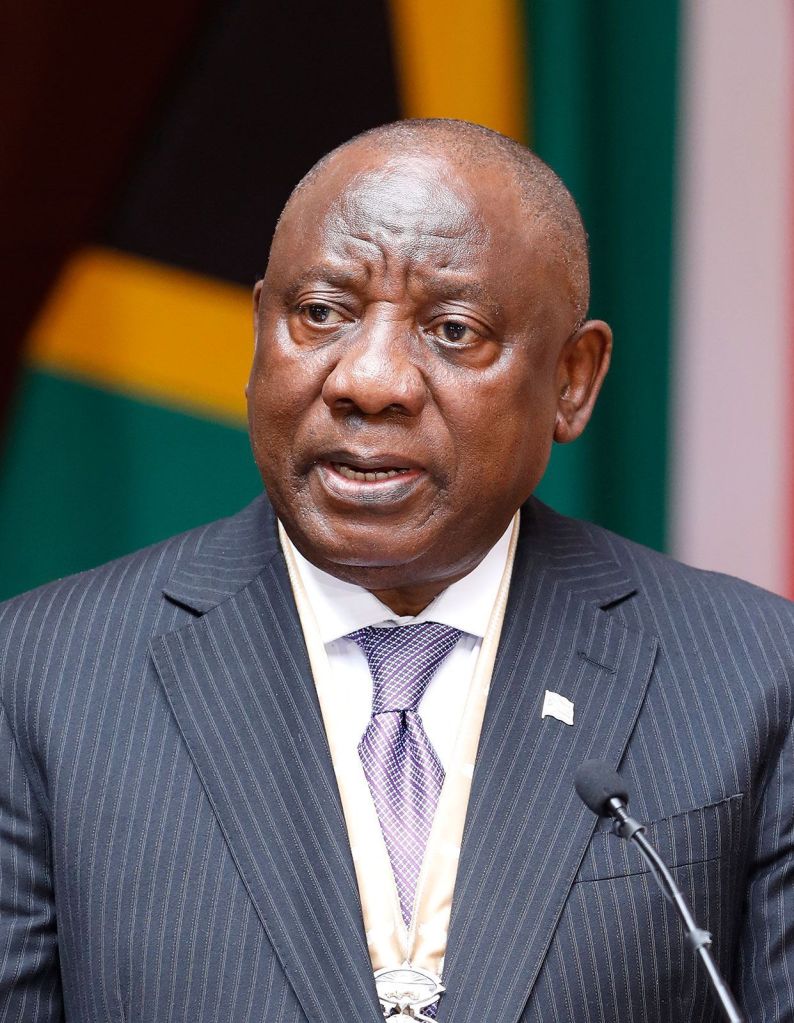
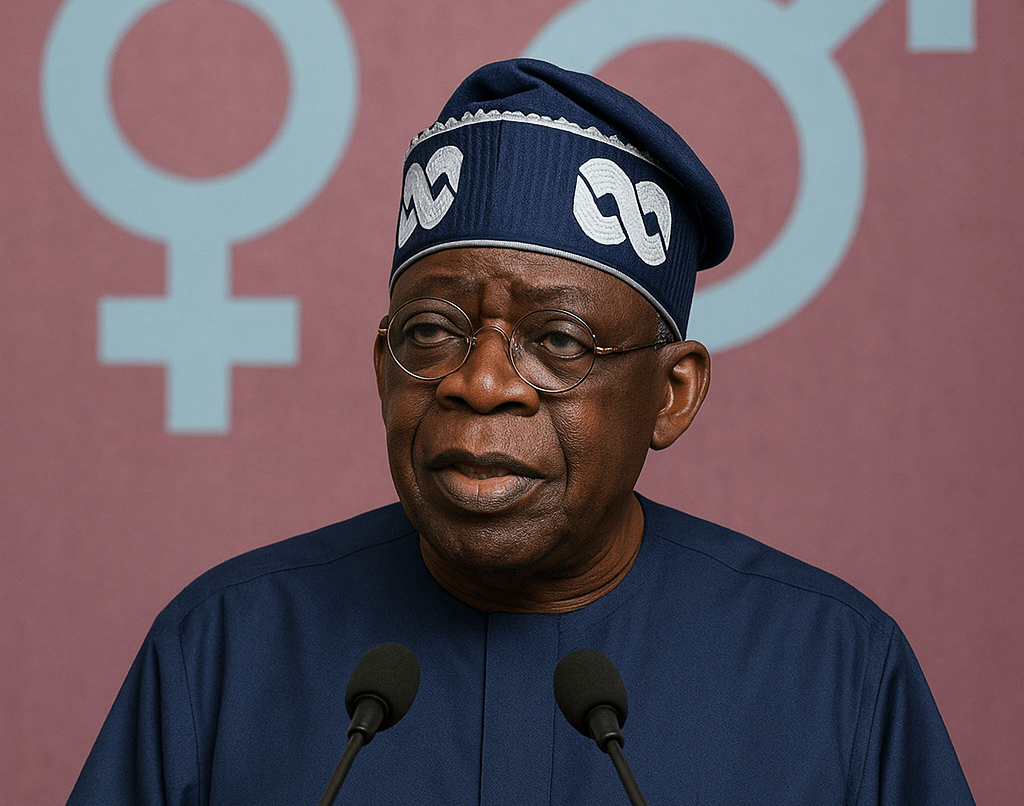
It is therefore deeply disappointing that years after attaining freedom, South Africa continues to grapple with recurring waves of xenophobic attacks directed at fellow Africans, especially Nigerians, Zimbabweans, Mozambicans, Somalis and other migrants who seek opportunities within its borders.
The justification often advanced by those involved in these attacks is that foreigners have taken over jobs, businesses and economic opportunities while the government allegedly looks the other way. Yet this argument ignores a fundamental reality. The economic challenges facing South Africa— high unemployment, inequality, crime and slow growth — cannot simply be blamed on migrants. These are structural problems that require policy solutions, investment and effective governance.
Unfortunately, rather than confronting these deeper issues, some politicians and activists have found it convenient to redirect public frustration toward fellow Africans. Small businesses owned by migrants have been looted, properties destroyed and innocent lives threatened. Such actions undermine the spirit of African unity and betray the very ideals upon which post-apartheid South Africa was built.
The consequences of this hostility are becoming increasingly visible beyond South Africa’s borders. Across Africa, resentment is growing. Many Africans who once viewed South Africa as a symbol of continental pride now see a nation that appears unwilling to embrace the same solidarity that helped secure its freedom.
This growing disillusionment was evident in the reception reportedly accorded South African representatives at international sporting events, including reactions surrounding the ongoing FIFA Club World Cup in the United States. Rather than receiving automatic support from fellow Africans, South African teams have encountered indifference and, in some cases, open hostility from fans across the continent. While sports should remain separate from politics, public sentiment often reflects broader perceptions of a country’s conduct and relationship with its neighbours.
The message from many Africans is clear: solidarity cannot be a one-way street. A nation that expects continental support must also demonstrate respect and goodwill toward fellow Africans.
South Africa remains one of Africa’s most influential economies and democracies. It possesses the capacity to lead the continent in trade, innovation and diplomacy. However, leadership requires more than economic strength; it demands moral authority. Xenophobia erodes that authority and risks turning a respected regional power into a diplomatic outlier.
The South African government must therefore move beyond routine condemnations and take decisive action against xenophobic violence. Law enforcement agencies must protect all lawful residents regardless of nationality, while political leaders should refrain from rhetoric that scapegoats foreigners for domestic challenges.
Africa’s future lies in greater integration, not division. The continent cannot afford walls of suspicion between its people. South Africa’s liberation was an African victory. Preserving that legacy requires embracing fellow Africans as partners, not treating them as enemies.
Until that lesson is fully embraced, South Africa risks finding itself increasingly isolated; a nation that once inspired the continent, but whose actions now leave many Africans questioning whether the gratitude and solidarity shown during its darkest years have been forgotten.


Leave a Reply