By Maroof Asudemade
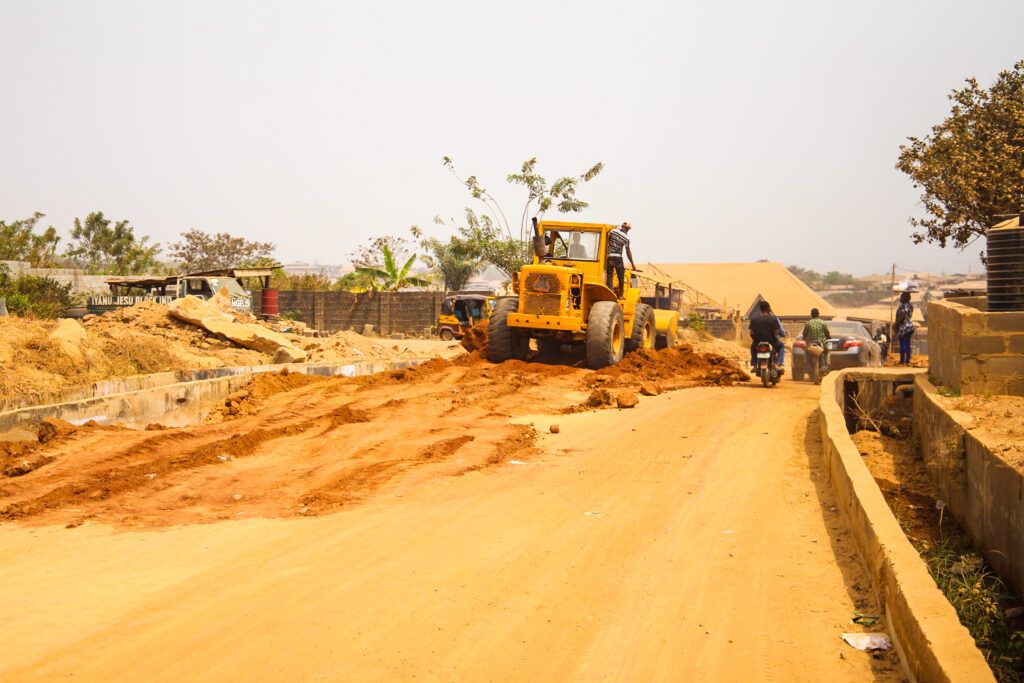
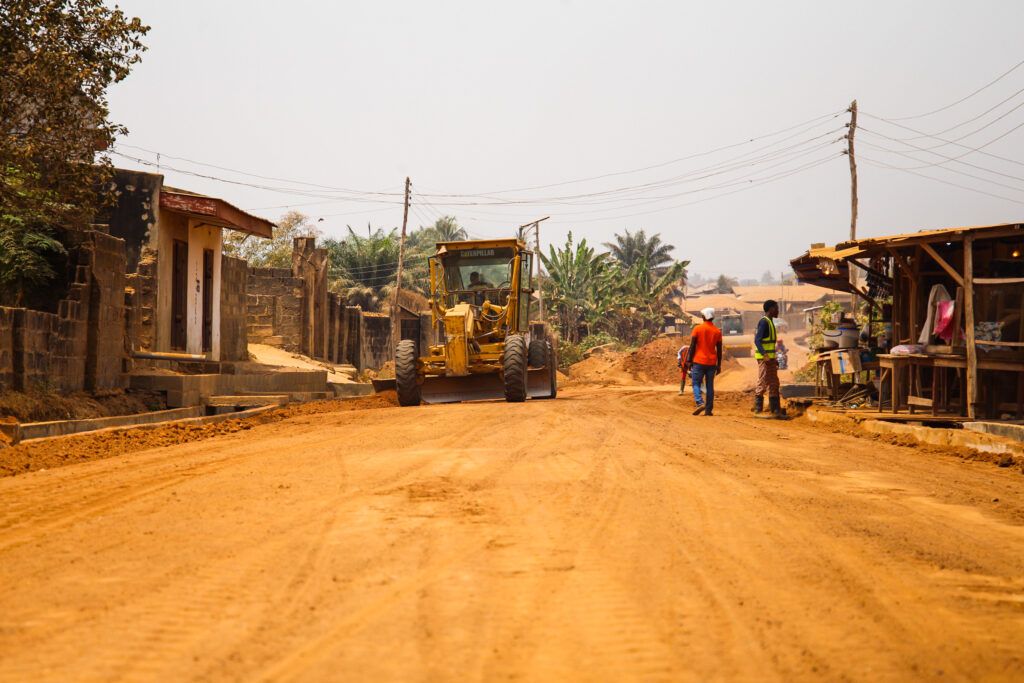
There is perhaps no better metaphor for the disconnect between campaign promises and governance than the current state of the Adegbayi–Ajia Road.
A video circulating on social media presents a disturbing picture: a road that was apparently opened for construction when Governor Seyi Makinde needeed the votes of the people of Adegbayi and Ajia but remains visibly incomplete years later after the people had fulfilled their part of the bargains with more votes. The sections of the abandoned road have been reduced to muddy, waterlogged and difficult passages. The accompanying footage also shows drainage infrastructure and construction works that appear abandoned or left unfinished.
For the people of Adegbayi, Ajia and adjoining communities, this is not merely a question of asphalt or drainage. It is a question of government, accountability and whether the votes they gave to the Seyi Makinde administration have translated into the promised development. It’s a betrayal of promise not kept.
Seyi Makinde appeared to have hoodwinked the people of Adegbayi and Ajiaroad in order to secure their votes. The painful question residents are should ask is simple: Why did the Adegbayi–Ajia Road become important enough to attract government attention, mobilisation and construction, but not important enough to be completed?
Governor Seyi Makinde came to office on the strength of promises of infrastructure development and improved living conditions. Residents of communities like Adegbayi and Ajia were part of the electorate that gave his administration its mandate. But four years into the project, if the situation shown in the video accurately represents the present condition of the road, residents have every reason to feel abandoned.
Government cannot operate on the principle that a road is important when votes are needed and becomes expendable after the votes have been secured. That is not sustainable governance.
There is something particularly troubling about an infrastructure project that begins with fanfare but ends in uncertainty. A government that awards a road project assumes an obligation to the people. If there are funding difficulties, contractual problems, design issues or other impediments, the government owes the people an explanation. Deliberate silence is calling the bluff of the people whose votes you got but whom you abandoned to face harsh conditions. .
Abandonment is not development. And commissioning or commencing a project is not the same thing as delivering it. The people do not need pictures of graders and excavators. They need a usable road. They do not need promises that construction will resume someday. They need completion. They do not need political rhetoric about infrastructure. They need infrastructure that works.
The human cost of an unfinished road is high and fatal. The condition of a road like Adegbayi–Ajia has consequences beyond inconvenience. A bad road affects commercial activities, transportation costs, movement of residents, access to schools and health facilities, property values and the general economic life of the community.
During the rainy season, an already difficult road becomes a nightmare. Vehicles struggle through potholes and stagnant water, while pedestrians are forced to navigate dangerous and muddy stretches. For residents who use the road every day, this is not an abstract political argument. It is their daily reality.
Makinde owes the people an explanation. Governor Makinde has every right to showcase the achievements of his administration. But governance must also be subjected to scrutiny where promises have not been fulfilled. The Adegbayi–Ajia Road deserves that scrutiny. You cannot abandon the people after collecting their mandate. The most damaging perception created by an abandoned public project is that government remembers citizens principally when their votes are required.
That perception has already taken root in the mind of people of Adegbayi and Ajia. They are not asking for a favour. They are demanding accountability for a public project undertaken in their community. Governor Seyi Makinde should therefore tell the people plainly: What happened to the Adegbayi–Ajia Road? When will construction resume? When will it be completed? And who is responsible for the prolonged delay?
Four years is a long time in the life of a road project. If the video accurately captures the present condition of the road, then the Makinde administration must answer the uncomfortable question:
After securing the people’s votes, why has the road that was promised to them been left in this condition?
The people deserve an answer not another campaign promise.


Leave a Reply