Maroof Asudemade
By every standard of intellectual honesty, Sulaimon Olanrewaju’s article is a masterclass in confusing fundamentally different concepts in order to score cheap political points. It is long on rhetoric, rich in insults, but remarkably poor in legal precision.
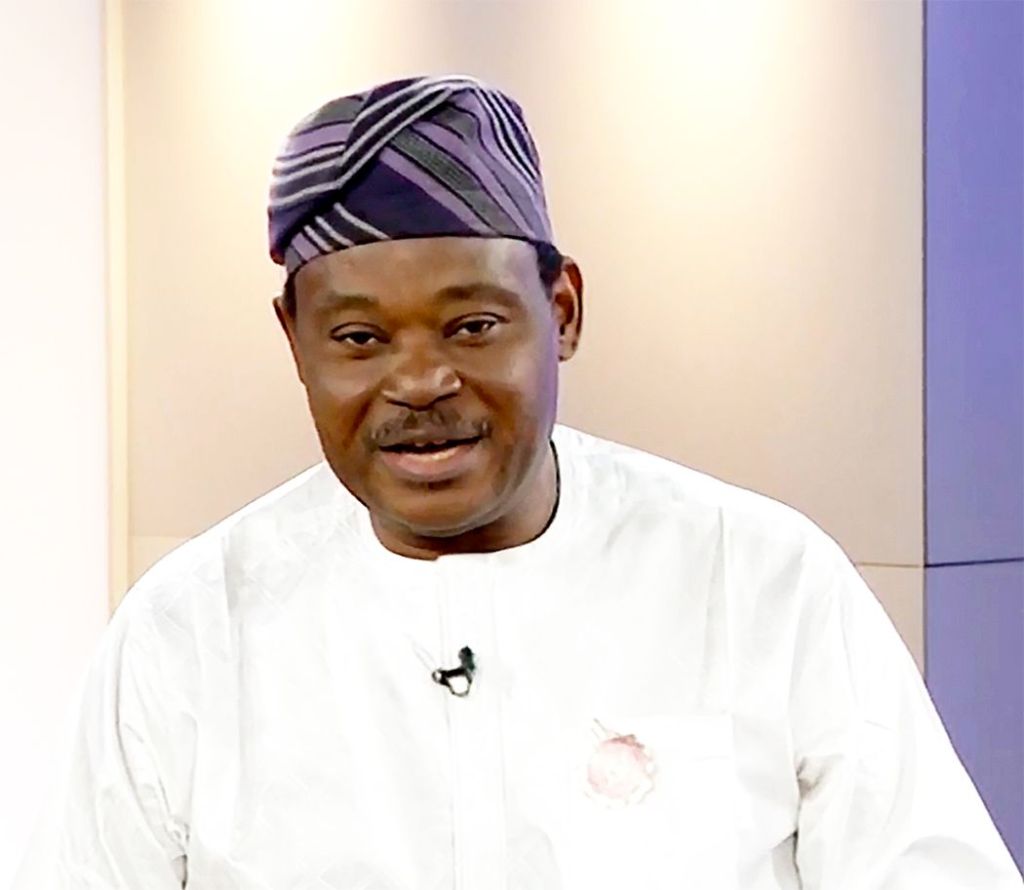
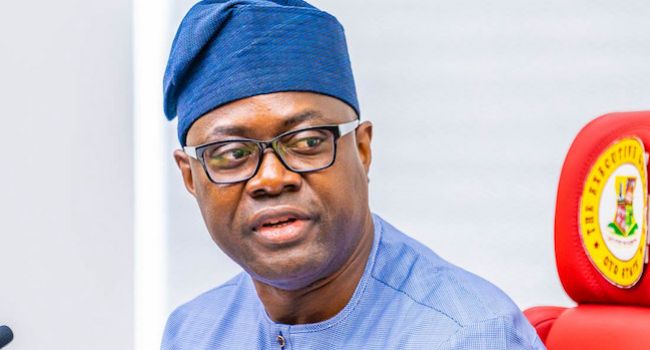
The target of the media aide to Governor Seyi Makinde’s attack is Nigeria’s Permanent Representative to the United Nations, Ambassador Jimoh Ibrahim. Yet, after stripping away the name-calling and emotional language, one discovers that Olanrewaju has not disproved the Ambassador’s central point. Governor Seyi Makinde did not merely ask for international concern or technical support. He specifically called for a United Nations-led independent postmortem investigation into the Oriire school abduction. That is a completely different proposition. This distinction is what Olanrewaju either does not understand or deliberately refuses to acknowledge.
The United Nations has, over the years, expressed concern about the Chibok girls, the Dapchi schoolgirls, Kankara, and other incidents in Nigeria. UNICEF issued statements. The Office of the High Commissioner for Human Rights spoke out. Special Rapporteurs raised questions. Treaty-monitoring bodies made recommendations under human rights conventions. None of these amounted to the United Nations taking over Nigeria’s sovereign responsibility by establishing an independent investigative panel into a domestic criminal incident at the request of a state governor. That is precisely where Makinde’s proposition collapses.
The UN does not simply dispatch investigative teams because a governor requests one. Such mechanisms arise only under clearly defined international mandates, resolutions of competent UN organs, treaty obligations, or with the consent and cooperation of the sovereign state, not because of political theatre.
Olanrewaju cites Chibok and Kankara as though mentioning them automatically proves his point. It does not. The UN’s reactions to those tragedies consisted largely of humanitarian support, advocacy, monitoring, reporting, and recommendations. Those interventions were aimed at protecting children’s rights, supporting victims, and encouraging accountability. They were not UN-led forensic investigations established to determine operational failures within Nigeria’s security architecture.
The difference is glaringly elementary. One is international human rights engagement. The other is an independent international investigation into a sovereign state’s internal security operations. Conflating both is either ignorance or deliberate misrepresentation.
Ironically, Sulaimon Olanrewaju accuses Ambassador Jimoh Ibrahim of not understanding how the United Nations works while demonstrating a shaky grasp of the very institution he claims to understand better than Nigeria’s Permanent Representative. One would have expected greater restraint before dismissing a diplomat who interacts daily with the UN system. Instead, Olanrewaju assumes that newspaper polemics confer greater expertise than diplomatic responsibility. Insults are not substitutes for legal arguments.
Even more curious is Governor Makinde’s insistence on a UN investigation. Why is the governor so anxious for an international body to investigate an incident that occurred within his own state? What exactly does he believe the UN will uncover that Nigeria’s security agencies cannot? Who briefed the governor so comprehensively that he now appears convinced an international probe is necessary? These are legitimate questions.
Rather than outsourcing responsibility to New York, Governor Makinde should first account for what happened within Oyo State before, during, and after the abduction. Security within a state is not sustained by press conferences or international headlines but by effective coordination with security agencies, intelligence gathering, and responsible leadership. If there are facts the governor believes have been concealed, let him place them before the appropriate Nigerian authorities. If he possesses evidence suggesting negligence or complicity, let him disclose it. If he has none, then his call for a UN-led investigation begins to look less like a search for truth and more like a search for political insulation. The irony is impossible to miss.
The same governor demanding an international investigation now appears uncomfortable with legitimate questions about his own handling of the crisis. Truth is never selective.
If Governor Makinde genuinely seeks transparency, he should begin by telling Nigerians everything his government knew before the abduction, what preventive measures were in place, how intelligence was handled, and why such a brazen attack succeeded despite repeated warnings about insecurity across parts of the country. Truth begins at home not from UN.
Ambassador Jimoh Ibrahim deserves neither ridicule nor lectures for defending the well-established principle that internal security remains primarily the responsibility of sovereign states. A diplomat who reminds the world of Nigeria’s sovereignty is doing exactly what his office requires. The debate should therefore move beyond political grandstanding. Governor Makinde should stop hiding behind calls for unnecessary UN investigations and instead answer the questions within his constitutional responsibility.
If he truly believes in the liberating power of truth, then he should heed the timeless admonition: Governor Makinde, let the truth set you free.


Leave a Reply