Maroof Asudemade
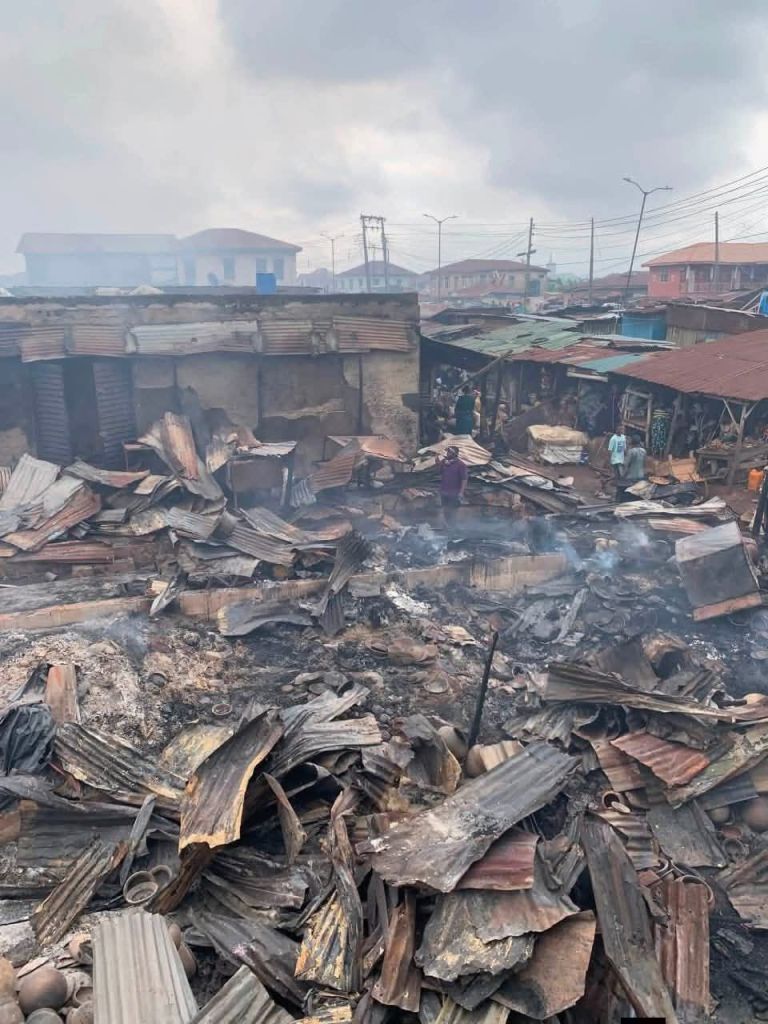
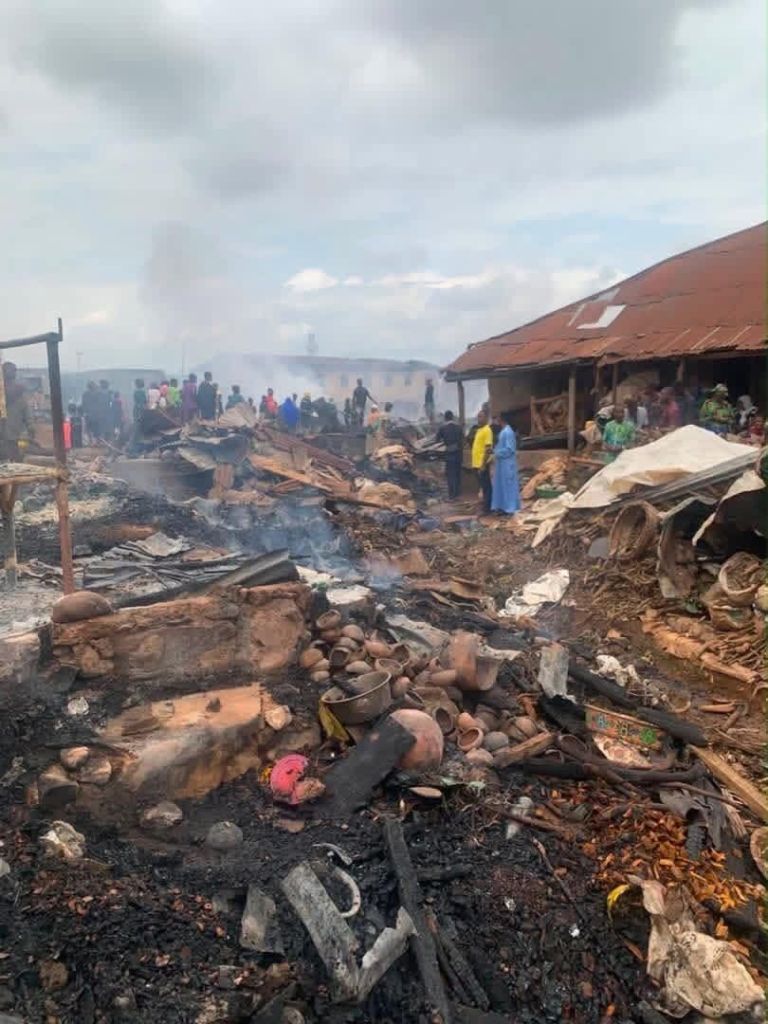
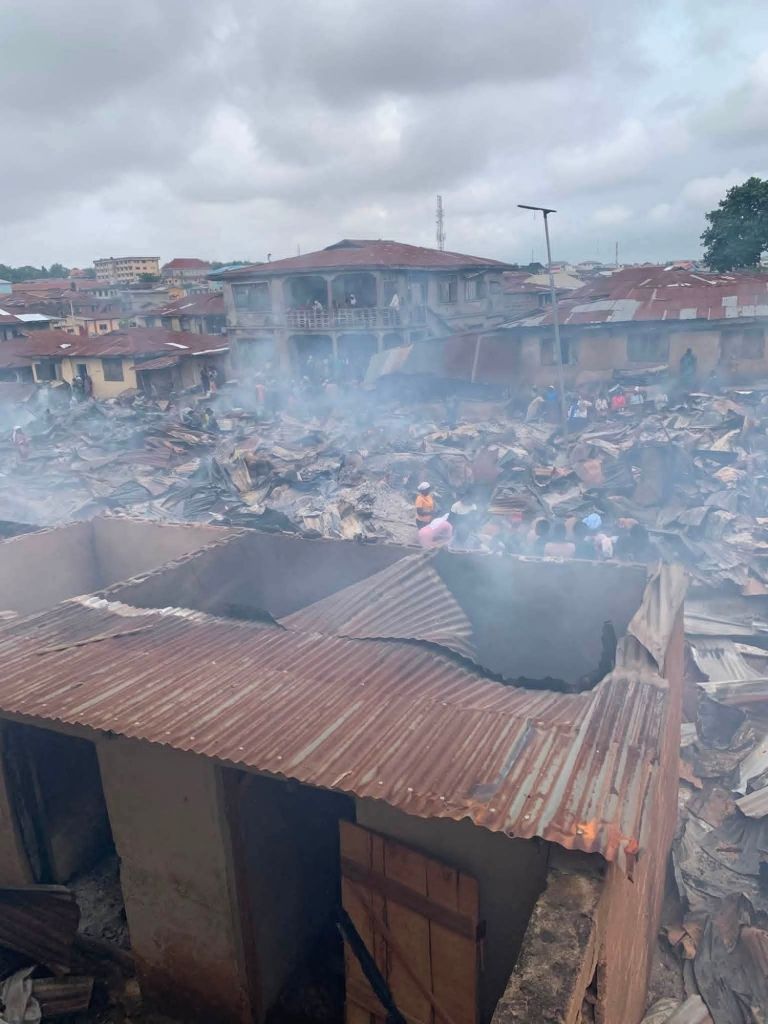
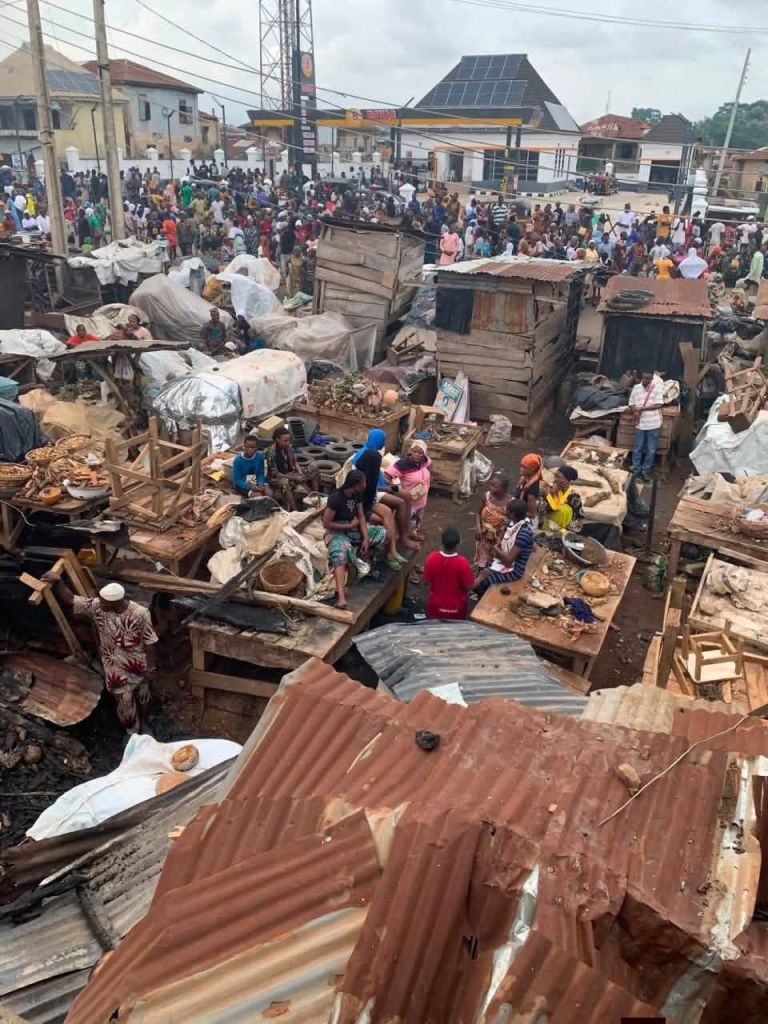
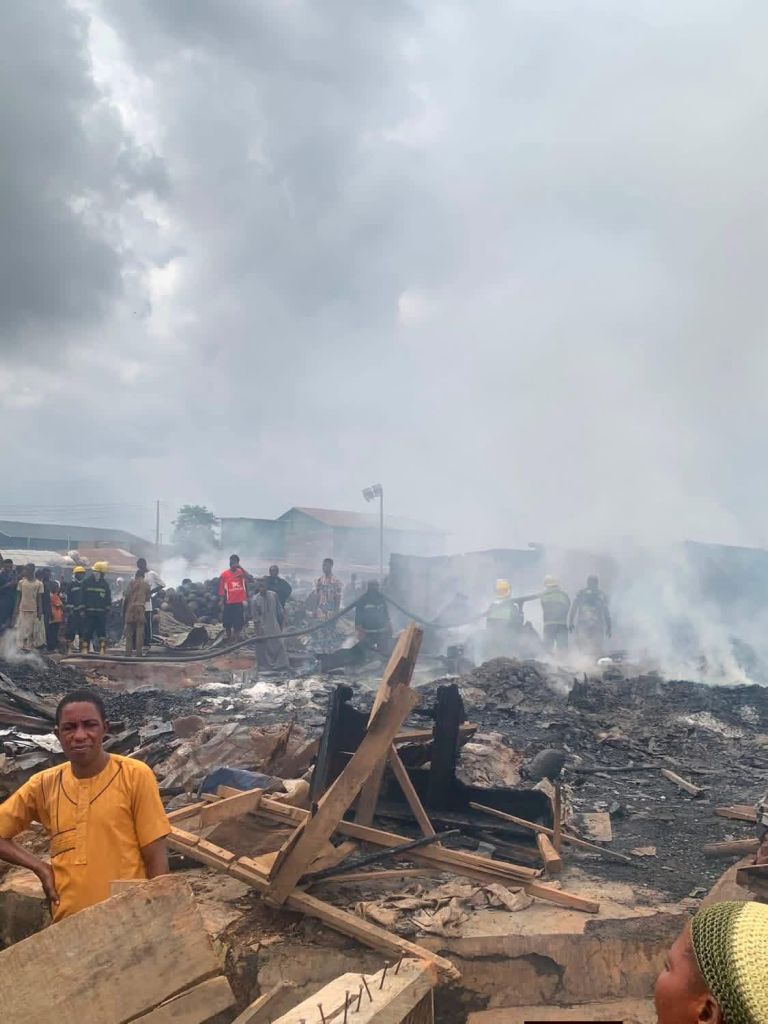
The devastating fire that razed a section of the herbs and roots market at Bode, Ibadan, is a painful reminder of how fragile the livelihoods of many Nigerians have become. In a matter of hours, traders lost goods and properties worth millions of naira, with years of labour reduced to ashes. At such moments, every genuine act of compassion deserves appreciation.
Expectedly, politicians have flooded the market in what has now become a procession of sympathy visits. They have not come empty-handed. Senator Sarafadeen Alli reportedly donated ₦25 million. Bimbo Adekanmbi of the APM donated ₦2.5 million. Honourable Remi Oseni gave ₦20 million. Accord Party governorship candidate Oriyomi Hamzat donated roofing sheets and planks to facilitate the rebuilding of the affected section of the market. Oloye Dotun Sanusi, the Ajia Olubadan of Ibadanland and the only major donor who is not seeking elective office, also contributed ₦10 million. Others have equally visited with cash and relief materials.
These gestures should ordinarily be applauded. There is nothing wrong with helping people in distress. In fact, public office seekers ought to demonstrate empathy and concern for the people they seek to govern.
However, Nigerians have become too politically experienced to ignore the timing. The 2027 general elections are barely six months away. Suddenly, every candidate has discovered the road to Bode Market. Convoys arrive. Cameras are strategically positioned. Oversized cheques are displayed. Speeches are delivered. Photographs flood social media within minutes. One cannot help but wonder whether the victims are receiving humanitarian assistance or participating in a carefully choreographed political campaign.
The uncomfortable truth is that every act of generosity carries an intention. While some intentions are noble, others are politically calculated. It becomes difficult to separate compassion from campaign strategy when every donation comes with a media spectacle.
This raises an unavoidable question. Had this unfortunate fire occurred during the military era, or midway between election cycles when no votes were at stake, would these politicians still have competed to outdo one another in financial donations? Would Bode Market have attracted this unprecedented parade of political sympathisers? The question deserves an honest answer.
History itself provides a useful illustration. Before becoming governor, Governor Seyi Makinde built a reputation for promptly visiting scenes of public tragedies. He was at Alesinloye Market after a devastating fire. He visited the Agodi Gate spare parts market after another inferno. He stood with the management of Music House during the demolition of part of its structure by the administration of the late Governor Abiola Ajimobi. Those visits projected him as a compassionate leader who shared in the people’s pains.
Today, as a second-term governor with no immediate electoral battle before him, the enthusiasm appears to have diminished. At the time of writing, he has not personally visited the Bode Market victims. The obvious question is not intended as a partisan attack but as a reflection on our politics: if sympathy was necessary while seeking office, why should it become less urgent after attaining power?
This observation is not directed at Governor Makinde alone. It is a mirror for virtually every Nigerian politician. Before elections, they become frequent visitors to hospitals, markets, accident scenes and bereaved families. After elections, many become inaccessible until another campaign season arrives. That is why Nigerians must learn to distinguish between genuine compassion and political theatre.
True leadership is not measured by the size of a donation announced before television cameras. It is measured by consistent commitment to policies that prevent such tragedies from recurring. A government that enforces safety regulations, modernises markets, provides insurance mechanisms for traders, equips the fire service, improves emergency response and ensures prompt disaster relief contributes far more than a politician who appears with a cheque when disaster strikes.
The victims of Bode Market certainly need financial assistance today. They should not reject help simply because it comes during an election season. But neither should society pretend not to notice the political calculations behind many of these generous gestures. Compassion should never be seasonal. Empathy should not be activated only when ballot papers are about to be printed.
The greatest donation politicians can offer Nigerians is not the millions they distribute before elections. It is the establishment of institutions that protect lives, preserve livelihoods and ensure that victims of disasters receive prompt assistance irrespective of whether an election is six months away or six years away.
Until that happens, many of these well-publicised visits will continue to look less like humanitarian missions and more like campaign rallies disguised as sympathy visits.


Leave a Reply