Maroof Asudemade
The recurring xenophobic attacks against Nigerians in South Africa represent one of the saddest examples of how a nation can forget those who stood by it in its darkest hour. The excuse often advanced that Nigerians have taken over jobs and businesses cannot justify violence, intimidation, looting, or the targeting of people solely because of their nationality.
It appears that a section of the current generation of South Africans suffers from a troubling paucity of history. Had they been adequately taught the sacrifices made by African countries, particularly Nigeria, in dismantling apartheid, they would perhaps have chosen gratitude over hostility.
For decades, Nigeria was not merely a sympathiser in the anti-apartheid struggle; it was one of its strongest pillars. Successive Nigerian governments, from Tafawa Balewa years, irrespective of political differences, made the liberation of South Africa a national and continental priority. Nigeria reportedly committed billions of dollars over several decades, between 1961 and 1995, to the anti-apartheid cause, funding liberation movements, supporting diplomatic campaigns, and sustaining the struggle until freedom was achieved.
As part of the financial support, Nigeria established the Southern Africa Relief Fund, through which ordinary Nigerians like civil servants, students, traders, and workers voluntarily contributed from their meagre incomes to support the fight against apartheid. It was a remarkable demonstration of solidarity, proving that the liberation of South Africa was not just a government project but a national commitment embraced by millions of Nigerians.
Nigeria also provided scholarships to South African students forced into exile by apartheid, ensuring that many young people received quality education while their homeland remained under racist rule. Nigerian universities became safe havens for many who would later contribute to rebuilding a democratic South Africa.
Diplomatically, Nigeria was relentless. It mobilised African and global opinion against the apartheid regime, championed economic sanctions, campaigned tirelessly within the Commonwealth, the United Nations, and the Organization of African Unity, and consistently isolated the racist government internationally. Nigeria refused sporting, cultural, and economic relations with apartheid South Africa, sacrificing opportunities in pursuit of justice.
The country also extended support to liberation movements such as the African National Congress (ANC) and the Pan-Africanist Congress (PAC), providing financial assistance, diplomatic backing, and moral support when many nations still hesitated to confront the apartheid regime.
Even in popular culture, Nigeria demonstrated uncommon solidarity. Musicians, writers, journalists, labour unions, students, and civil society organisations kept the anti-apartheid struggle alive in public consciousness. The phrase “Mandela Must Be Free” resonated across Nigeria long before freedom finally came to South Africa. Several Nigerian musical artistes used the power of their music to call for the liberation of South Africa from the apartheid regime. Sonny Okosun was a pioneer in African liberation music, releasing iconic songs to protest apartheid regimes in Africa. Majek Fashek, the reggae icon, advocated the anti-apartheid leader’s release with “Free Africa, Free Mandela”. Elegant Stallion Onyeka Onwenu also lent her voice to the struggle with her tribute track “Winnie Mandela”. The legendary Fela Kuti of the Afrobeat fame actively fought against white supremacy in his “Beasts of No Nation” album. So was The Mandators, the reggae group who released the track “Apartheid” to condemn systemic racial segregation.
These sacrifices suggest that Nigerians deserve special privileges in South Africa today. They do also establish a moral obligation that Nigerians should not be singled out for hatred, violence, and persecution. Gratitude may not be enforceable, but historical memory is a duty owed by every nation to those who stood by it.
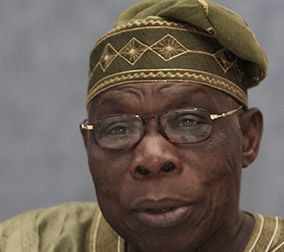
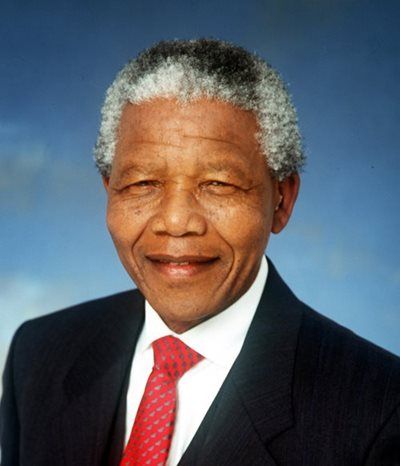
It is also important to acknowledge that xenophobia in South Africa affects not only Nigerians but also citizens of Zimbabwe, Mozambique, Somalia, Ethiopia, Pakistan, and several other countries. The problem is therefore broader than Nigeria. Yet Nigerians often become prominent targets because of their visibility in commerce and entrepreneurship. Criminality by a few individuals, where it exists, should be addressed through law enforcement, not collective punishment of an entire nationality.
South Africa’s freedom was not won in isolation. It was built on the sacrifices of countless Africans, with Nigeria standing at the forefront of that historic struggle. To repay such solidarity with periodic waves of xenophobic violence is not merely an act of ingratitude; it is a betrayal of the very spirit of Pan-Africanism that inspired the fight against apartheid.
History should unite Africans, not divide them. South Africa owes its freedom not only to the courage of its heroes but also to the unwavering support of countries like Nigeria that invested resources, diplomacy, and hope in the birth of the nation. The least expected in return is mutual respect, peaceful coexistence, and recognition that yesterday’s benefactor should never become today’s victim.
 The Asudemade Perspective
Leave a comment