“Governor Makinde, Can We Now Name the Cultural Centre at Mokola after Professor Akinwumi Isola as the Akinwumi Isola Cultural Centre?”
By Tunji Oladejo
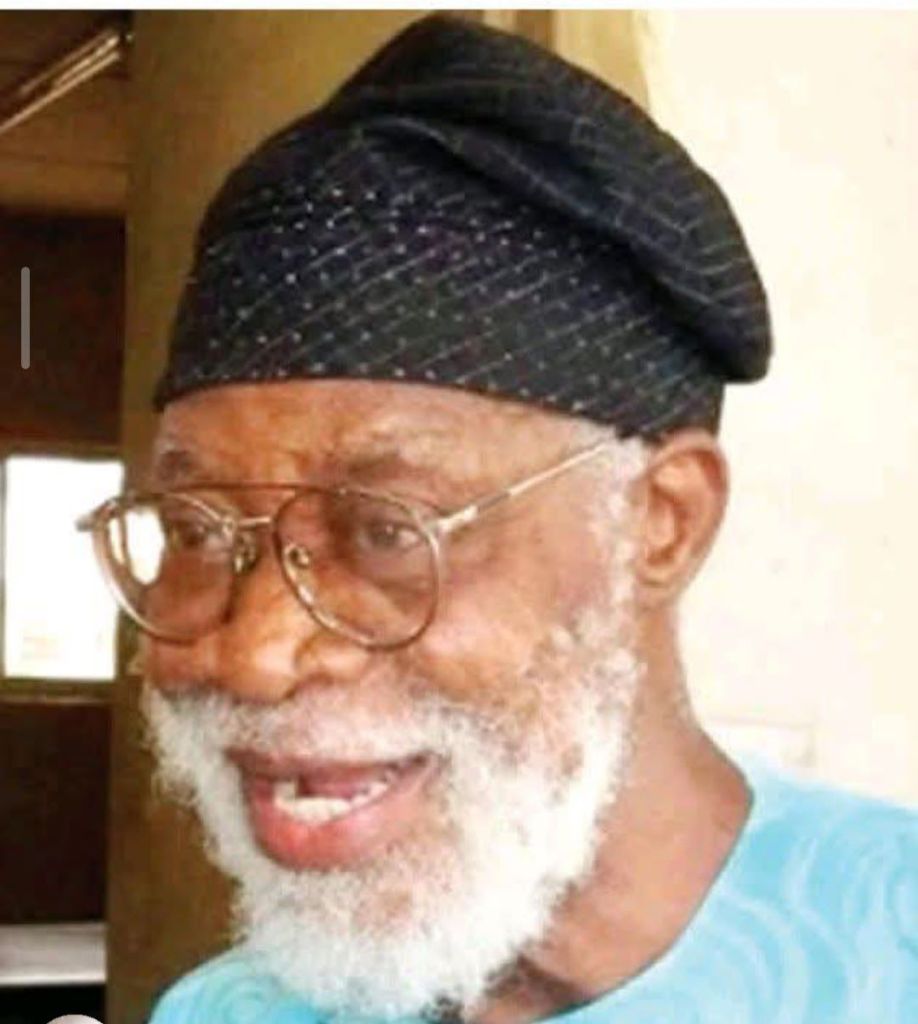
It is, indeed, astonishing that 8 years have passed since the passing of the legendary Professor Akinwumi Isola, NNOM, FNAL, a titan of Yoruba literature and a beacon of cultural pride for Ibadanland. His contributions to Yoruba Studies and Practice (YSP) are immeasurable and his impact on the global stage is undeniable.
The recent Oyo@50 celebration award grand finale sparked controversy and the controversy is ongoing, with many, including this writer, questioning the omission of Professor Isola’s name from the list of awardees. This oversight is all the more glaring given the inclusion of an individual who recently made headlines for his disparaging remarks in a viral video about Ramadan and any fasting at all, rendering them as unacceptable to God. He even cursed anybody who fasts.
Professor Isola’s legacy is evidence of cultural preservation and promotion. His work has inspired generations and his impact on Yoruba literature is unprecedented. To overlook his contributions is to diminish the very essence of Oyo State’s and, indeed, the Yoruba’s rich cultural heritage…
I join the voices of the good and progressive people of Oyo State in recognising Professor Akinwumi Isola, NNOM, as eminently deserving of this prestigious award. His tireless efforts to promote Yoruba culture, language and tradition earned him a place among the greats.
Let this serve as a call to action. Let us honour Professor Isola’s memory by continuing to celebrate and promote the values he stood for: cultural pride, intellectual curiosity and respect for tradition. I salute his enduring legacy and acknowledge his rightful place among Oyo State’s luminaries.
Maybe we have forgotten that Professor Akinwumi Isola remains one of the most celebrated figures in Nigeria’s literary and cultural history. As a renowned playwright, novelist, actor, dramaturg, cultural activist and scholar, he dedicated his life to promoting the Yoruba language and culture. Until his passing on February 17, 2018, at the age of 78, Isola left behind a legacy that continues to motivate generations of writers, scholars and cultural enthusiasts.
At a time when many African languages faced the threat of being overshadowed by colonial legacies and globalisation, Professor Isola stood as a defender of Yoruba identity. He primarily focused his writing, teaching and advocacy on preserving the Yoruba language in literature, theatre and academia. Unlike many who produced works in English to gain wider recognition, Isola deliberately chose Yoruba as his primary medium of expression. This decision reinforced the importance of cultural authenticity and elevated Yoruba literature to global visibility.
Professor Isola’s works reflect a deep engagement with Yoruba history, traditions and social realities. His play Efunsetan Aniwura dramatises the life of the powerful and controversial Ibadan woman leader, addressing themes of leadership, power and tragedy. Similarly, his novel ‘O Le Ku’ has become a classic in Nigerian literature, vividly portraying love, youth and tradition in a Yoruba setting.
I am currently asking Yoruba literature scholars at the University of Ibadan, “Kin ni o le ku ninu iwe ‘O le ku’?” written by Akinwumi Isola. I read the book as one of the textbooks for our A-level Yoruba and passed with a B grade at the then Oyo State College of Arts and Science (OSCAS), Ile-Ife, in 1987. Truly, iwe yen le ku! Silently for many years, I admired Akinwumi Isola. Now I am saying, I admire and love him boldly for his private and public conduct.
Isola translated important works into Yoruba in addition to writing creatively. This helped connect world literature with native audiences. His efforts ensured that Yoruba-speaking readers could access literature that might otherwise have been beyond their reach.
Isola was not only a writer but also an esteemed academic. He graduated from the University of Ibadan and served as a Professor of Yoruba literature at the Obafemi Awolowo University, Ile-Ife, where he trained and mentored countless students. His scholarship, grounded in rigorous research and cultural advocacy, significantly shaped the study of the Yoruba language and literature in Nigerian universities. He was also a Fellow of the Nigerian Academy of Letters, a recognition of his scholarly contributions to the intellectual development of the country.
Beyond the classroom and stage, Professor Isola became a cultural icon through his involvement in film and media. He acted in and adapted several works for television and cinema, including Agogo Eèwò and the film adaptation of Efunsetan Aniwura. His ability to transition between academia and popular culture enabled him to reach diverse audiences, ensuring that Yoruba traditions were preserved and celebrated in modern forms.
Professor Isola also composed the anthem for Wesley College, Ibadan, further cementing his role as a cultural custodian and contributor to educational institutions in Nigeria.
A member of the Ibadan Action Council (IAC), Professor Akinwumi Isola’s passing in 2018 marked the end of an era, but his influence continues to resonate. His works remain central to the study of Yoruba literature; his activism is celebrated among cultural advocates and his creative legacy is studied in classrooms across Nigeria and beyond. He was more than a writer; he was a cultural warrior who used language, art and scholarship to preserve identity in a rapidly changing world.
I remember Professor Isola not just as a literary figure but as a symbol of resilience in the face of cultural erosion. His commitment to the Yoruba language and literature stands as a call to other African intellectuals to preserve and promote indigenous languages as vehicles for history, identity and pride.
Oyo State can make amends for the oversight by posthumously awarding Professor Akinwumi Isola, NNOM, one of the few recipients of the award in Nigeria, FNAL, a special recognition or lifetime achievement award. This gesture would serve as a fitting tribute to his legacy, acknowledging the profound impact he had on Yoruba literature and culture.
To further honour his memory, the State should name the cultural centre at Mokola the Akinwumi Isola Cultural Centre, the same way the University of Ibadan named its Arts Theatre after the Nobel Laureate as the Wole Soyinka Arts Theatre. This would provide a lasting tribute to his contributions.
By taking these steps, Oyo State can demonstrate its commitment to preserving and promoting cultural heritage while also recognising Professor Isola’s enduring influence on the world of Yoruba literature.
Tunji Oladejo, mnipr, JP, MANUPA, mspsp, writes from the University of Ibadan, and is the Chairman of The Progressive Forum, Ibadan (TPFI); a member of the Board of Trustees of the Bayo and Bimpe Oyero Foundation (BBOF) and the 2026 Central Council of Ibadan Indigenes (CCII) Icon of Ibadan Heritage Awardee via oladejo65@gmail.com. 08077284442


Leave a Reply