By Maroof Asudemade
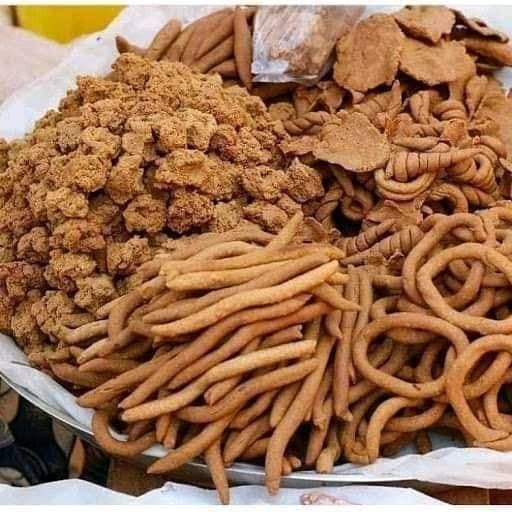
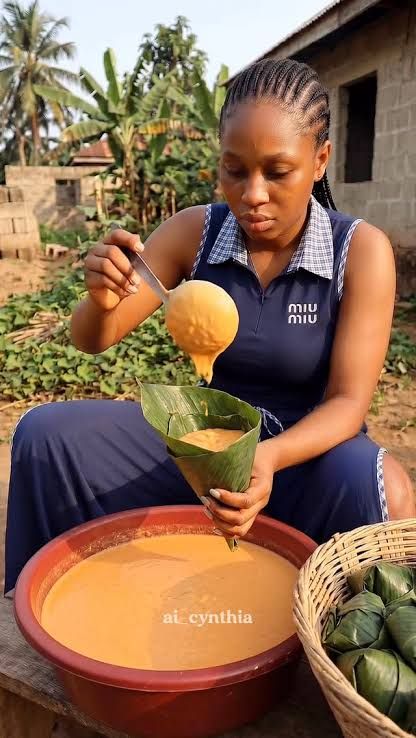
Gone were the days when akara, kulikuli and mọinmọin were not just snacks, but pillars of the local economy. Yes, I remember that between the late 1970s through the 1980s and 1990s, akara in its different varieties was what many women around the indigenous parts of Ibadan like Oje, Bere, Oritamerin, Oja’ba, Isale-Ijebu, Foko, Agbeni and several other communities, prepared and sold to the teeming lovers of the delicacies. We had akara sẹkẹ, akara kengbe, akara awọn and akara ọọjọ. We also had mọinmọin (popularly called ọọlẹ), alapa and tepotiyọ. These were not mere foods; they were family businesses handed down from one generation to another.
Around Ile Iba, there was a section where kulikuli was sold in large quantities. It was a thriving enterprise from which many women earned a living, trained their children, built houses and acquired respectable wealth. Those businesses sustained homes long before the era of social media and digital entrepreneurship.
Sadly, a visit to those same native areas of Ibadan today tells a different story. Many of those women are gone, and with them have disappeared several of those indigenous trades. Akara in its various traditional forms is no longer commonly found. The same goes for many types of mọinmọin and their delicious siblings. What used to be vibrant clusters of local enterprise have gradually faded away.
I went down this memory lane because of the criticisms that greeted Senator Oluremi Tinubu’s statement about giving grants to women to start frying and selling akara and kulikuli. Many people laughed at the idea as though it was beneath any serious economic intervention. I disagree!
Not every business has to begin with millions of naira. Every successful enterprise starts from somewhere. Today’s multinational companies were once small neighbourhood businesses.
These days, many struggling women resort to borrowing as little as ₦30,000 from exploitative money lenders under schemes like ‘gbọmu le lantern’ just to start selling noodles, beverages or other petty items. If such women can struggle with those tiny amounts, why should we mock an initiative that seeks to help others begin an honest trade with dignity?
There is a woman from whom I buy tubers of plantain at Molete. I once asked myself how much capital she could possibly require. Perhaps ₦50,000 or a little more to buy bunches of plantain. Yet, I was stunned the day she told me she lived in her own house. Seeing the disbelief on my face, she brought out her phone and showed me photographs of the house she built. It’s a house she didn’t manage to build. She narrated how the daily, weekly and monthly financial contributions she made helped her to buy the land and build her 3-bedroom apartment to completion. She also told me she single-handedly sponsored two of her children through university without support from any man. According to her, she’s not alone in that achievements as many of her fellow sellers beside the roads have also built houses from what we would ridicule as petty trading!
That conversation changed my perception completely.
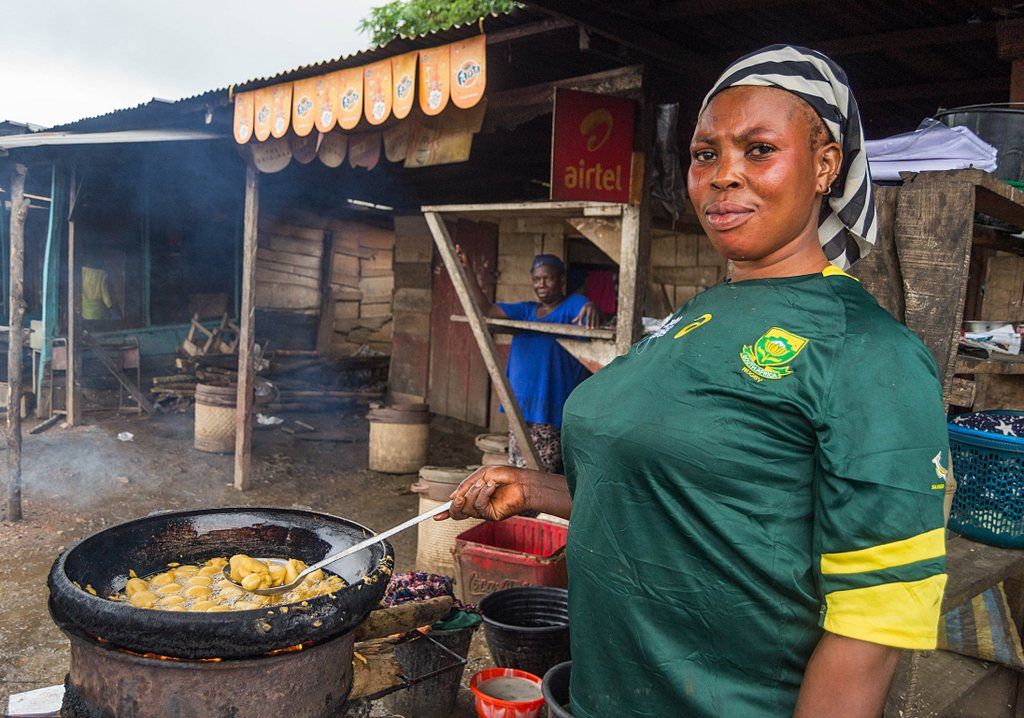
In this same Ibadan, we had famous names like Akara Iyadunni and Akara Rushẹ. Iyadunni eventually expanded into a full-fledged canteen after making her fortune from frying akara. Many successful food vendors of yesterday started exactly that way; with a frying pan, a bowl of peeled beans and determination.
The problem is that we now celebrate only white-collar success. We have allowed ourselves to look down on occupations that once fed families and built fortunes. We wrongly assume that unless a business is technology-driven or requires huge capital, it cannot be profitable.
Nothing could be farther from the truth.
What matters is not whether one fries akara or sells kulikuli. What matters is whether the business is profitable, sustainable and capable of lifting a family out of poverty. Honest labour should never be ridiculed.
Rather than mocking such initiatives, governments should go a step further by providing access to affordable credit, modern processing equipment, hygienic production centres, proper packaging and marketing support. Our indigenous food businesses can become brands that create employment and even attract tourists.
There is dignity in enterprise, no matter how small the beginning. If our mothers could build houses, educate children and become financially independent through akara and kulikuli, then there is no shame in encouraging another generation of women to walk the same path.
Sometimes, the future of an economy lies not only in billion-naira investments, but also in the humble frying pan of a hardworking woman determined to change her family’s story.


Leave a Reply