Asudemade Perspective


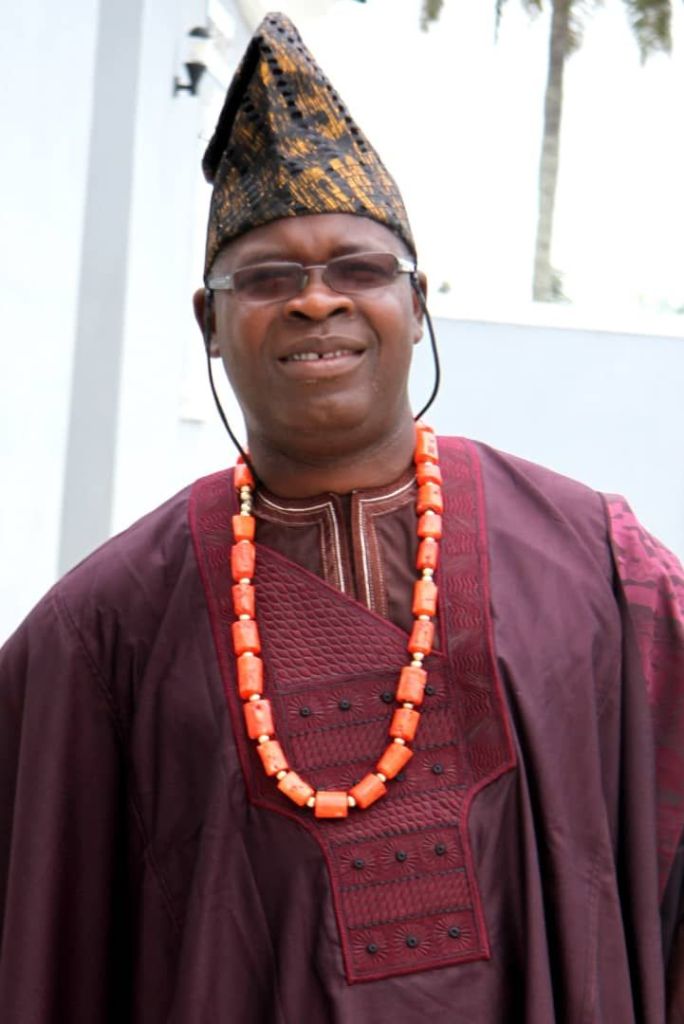

The recent passing of two senior Ibadan traditional chiefs — Oloye Adetunji Olanihun, the Asaju Olubadan, and Oloye Raufu Delesolu, the Ikolaba Olubadan — once again demonstrated the enduring strength of the Olubadan chieftaincy institution.
Their demise created two vacancies on the Otun (civil) line of succession. As expected, the development resulted in double promotions for chiefs immediately below them. There was no crisis. There was no contest. There was no litigation. There was no political lobbying. The system simply worked exactly as it was designed to work.
That is the genius of the Ibadan chieftaincy system. Ibadan Chieftaincy was designed in a republican arrangement. Initially, Ibadan did not want to have a crown-wearing monarch. The reason was not farfetched. It was to build a strong traditional institution, not a strong personality in the mould of its traditional head. It was deliberate that Ibadan settled for Baalẹ at inception. If Ibadan had wanted a crown-wearing king, it would have made it possible, without opposition, when many towns in Yorubaland presided over by crown-wearing obas, were under Ibadan and were actually paying tributaries to Ibadan. As history was told, the British colonial administration reorganised the Native Authority system and, in 1936, elevated the Baalẹ to the status of a beaded-crown monarch, bearing the title Olubadan. This was part of the colonial policy of governing through recognised traditional rulers. Many Ibadan chiefs initially resisted the aspects of the change because it departed from Ibadan’s republican tradition.
In a country where the succession to many traditional stools often degenerates into prolonged court cases, family feuds, government interference and communal tension, Ibadan stands apart as a remarkable example of institutional stability. Long before modern governance embraced succession planning as a management principle, the founders of Ibadan had already perfected it.
The Olubadan succession arrangement is not built on chance or personal preference. It is founded on seniority, merit, patience and continuity. Every chief knows his present position, understands who is ahead of him and appreciates that promotion comes naturally whenever a vacancy occurs. The certainty of the process removes desperation and makes manipulation almost impossible.
The recent double promotions under the reign of the Olubadan of Ibadanland, Oba Rashidi Adewolu Ladoja, therefore, should surprise no one. They are a practical demonstration of a system that has successfully survived generations because its institution and rules are respected more than personalities.
The chiefs elevated today from Otun line did not know they were going to have double promotions. They never envisaged that two senior chiefs would die in quick succession. Among the chiefs promoted included Chief Engr Dauda Kolawole Gbadamosi, promoted to Ikolaba Olubadan, Chief Williams Oyeleke Oyekola,promoted to Asaaju Olubadan; Chief Oluyinka Akande, promoted to Ayingun Olubadan; Chief Olufemi Olukorede Ogunwale, promoted to Aare Ago Olubadan; and Chief Wasiu Aderoju Alaadorin, Lagunna Olubadan. Others are Oloye Abiola Iyiola, promoted to Aare Egbe Omo Olubadan; Chief Dotun Sanusi, promoted to Gbonnka Olubadan; Chief Akin Alabi, promoted to Aare-Onibon Olubadan; and Chief Oladiran Abiodun Alabi, promoted to Bada Olubadan.
There are vacancies in Jagun Olubadan and Ajia Olubadan steps and the right persons will be chosen from the group of Mogajis to occupy the steps. One of them will jump Jagun Olubadan to Ajia Olubadan and one will be Jagun Olubadan.
Perhaps the greatest strength of the Ibadan model is that no single individual determines who becomes Olubadan. The institution itself does. Every promotion follows an established hierarchy that has evolved over nearly two centuries. Even death, inevitable as it is, does not throw the system into confusion. Instead, it activates an orderly chain of succession that everyone already understands.
This is why the Olubadan stool has remained one of the least controversial traditional institutions in Nigeria. While other kingdoms periodically witness disputes over eligibility, ruling houses and declarations, Ibadan continues to prove that a transparent succession process is the greatest guarantor of peace.
The lesson extends beyond traditional institutions. Modern governments, political parties, corporations and even family businesses can learn from the Ibadan model. Institutions become stronger when they are governed by established rules rather than the ambitions of individuals. Stability is not accidental; it is the product of predictable processes that command public confidence.
The founding fathers of Ibadan deserve lasting honour for creating a chieftaincy system that has become a reference point across Nigeria. They understood that institutions outlive men and that succession should never depend on sentiments or political convenience.
As another round of promotions takes effect, Ibadan has once again reminded the nation that the true strength of any institution lies not in the charisma of its leaders but in the integrity of its traditions. The Olubadan succession system remains one of the finest legacies of Yoruba civilisation. It is a model of order, discipline and continuity that deserves preservation for generations yet unborn.


Leave a Reply